Description
Mescaline hemisulphate (or hemisulfate) is a salt form of
mescaline, a naturally occurring psychedelic alkaloid found in certain cacti, most notably the peyote cactus (Lophophora williamsii) and the San Pedro cactus. It is a potent hallucinogen, often compared to LSD and psilocybin, known for inducing intense, long-lasting psychedelic experiences.
Chemical and Physical Properties
- Formula:
C22H36N2O10Scap C sub 22 cap H sub 36 cap N sub 2 cap O sub 10 cap S
𝐶22𝐻36𝑁2𝑂10𝑆
(bis(2-(3,4,5-trimethoxyphenyl)ethanamine) sulfate).
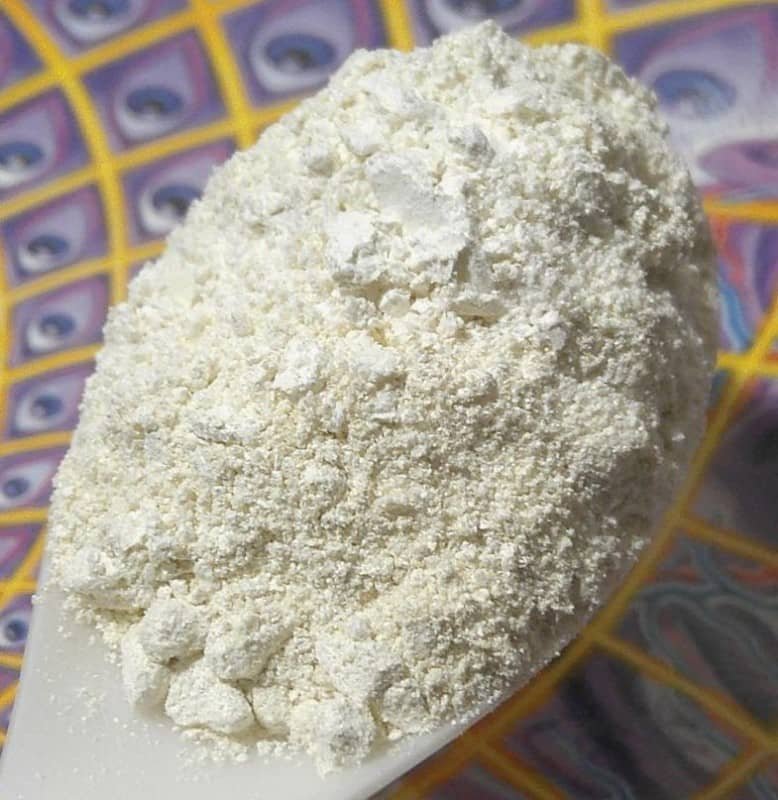
- Appearance: White powder.
- Origin: Isolated from cacti or produced synthetically.
- Solubility: Soluble in water, alcohol, and chloroform.

Effects and Duration
- Onset: Typically 45–90 minutes.
- Duration: 9–14 hours, with effects sometimes lasting longer depending on the dose.
- Psychedelic Effects: Vivid visual hallucinations (geometrical patterns), altered perception of time and space, euphoria, increased energy, and synesthesia (e.g., “seeing” sounds).
- Physical Effects: Intense nausea and vomiting (particularly with raw cactus), increased heart rate, blood pressure, body temperature, and sweating.
- “Bad Trip”: Can cause anxiety, panic, paranoia, and, in rare cases, psychosis.
Usage and Legal Status
- Use: Traditionally used in Native American religious ceremonies (peyote). It is also used recreationally for spiritual, meditation, or therapeutic purposes.
- Legality: In the U.S., mescaline is classified as a Schedule I substance, making it illegal to possess or sell, with exceptions for religious use by the Native American Church. It is similarly prohibited in many other countries.
- Addiction/Tolerance: Tolerance to mescaline develops rapidly (3–4 days), but it is not considered addictive.
Risks and Safety
- Overdose: No fatal overdoses from mescaline alone have been reported in scientific literature, though dangerous behaviors and psychological distress are risks.
- Interactions: Dangerous when mixed with other drugs, particularly those that affect blood pressure or serotonin levels.
- Side Effects: Post-use anxiety, fatigue, and muscle aches can occur.
Medical Research
- While not approved for medical use, some historical and preliminary studies have investigated its potential for treating alcohol use disorder, anxiety, and PTSD.
Mescaline-containing Cacti
- Peyote: Lophophora williamsii.
- San Pedro: Echinopsis pachanoi.
- Peruvian Torch: Echinopsis peruviana.