


Description
MDMA (3,4-Methylenedioxymethamphetamine) is a synthetic psychoactive drug known as
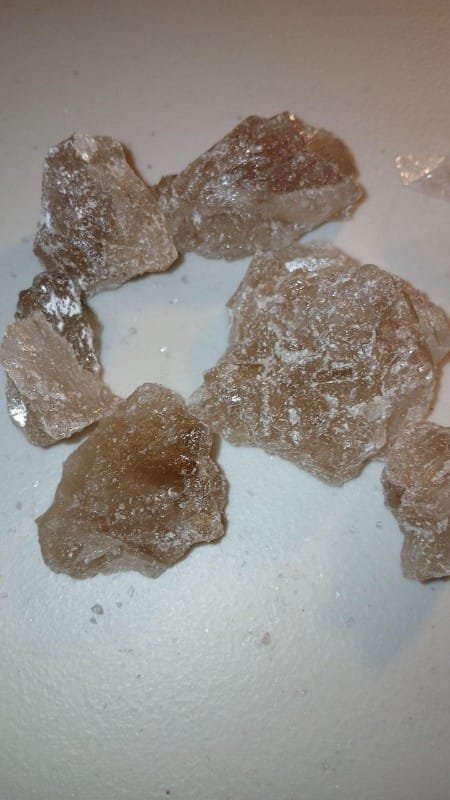
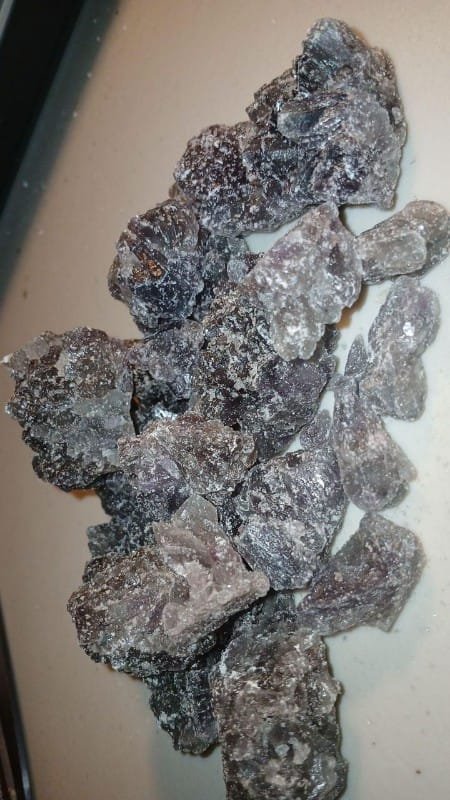
ecstasy or molly, acting as a stimulant and mild psychedelic, first synthesized in 1912, used in therapy, and popular as a recreational drug for its mood-enhancing, empathy-inducing effects (love, peace, connection). It’s consumed as tablets (ecstasy) or powder (molly/Mandy) and increases feelings of closeness but not sexual performance.
Key Characteristics:
-
- Drug Class: Entactogen (increases empathy/connection), stimulant, psychedelic.
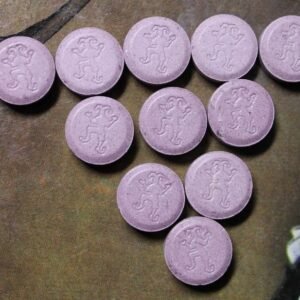
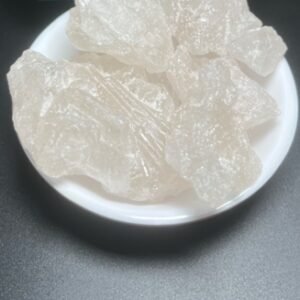
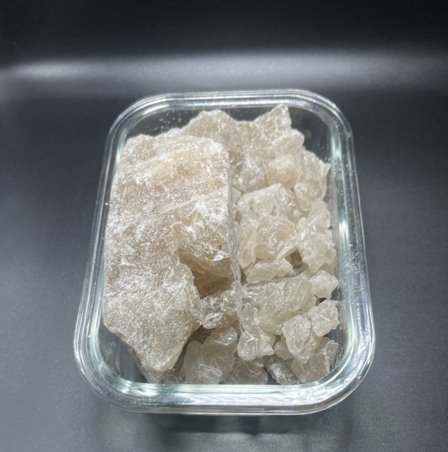
- Street Names: Ecstasy (E, X, XTC – often tablets), Molly (crystalline powder), Mandy (UK).
- Effects:
Euphoria, increased energy, heightened sensory perception, feelings of openness, love, and reduced anxiety (empathy).
- Forms: Tablets (often with stamps/shapes), crystalline powder, gel caps.
- History: Synthesized by Merck in 1912; used in psychotherapy in the 1970s; became popular recreationally in the 1980s.
Chemical Info:
- Formula:
C11H15NO2cap C sub 11 cap H sub 15 cap N cap O sub 2
𝐶11𝐻15𝑁𝑂2
.
- Molar Mass: 193.25 g/mol.

Uses & Concerns:
- While historically used to enhance therapy, it’s primarily known as a recreational substance.
- Tablets often contain adulterants, while “Molly” suggests pure crystalline powder, though this isn’t always true.