


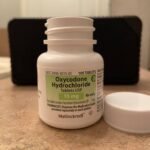
Description
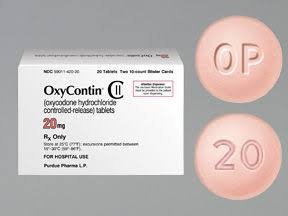
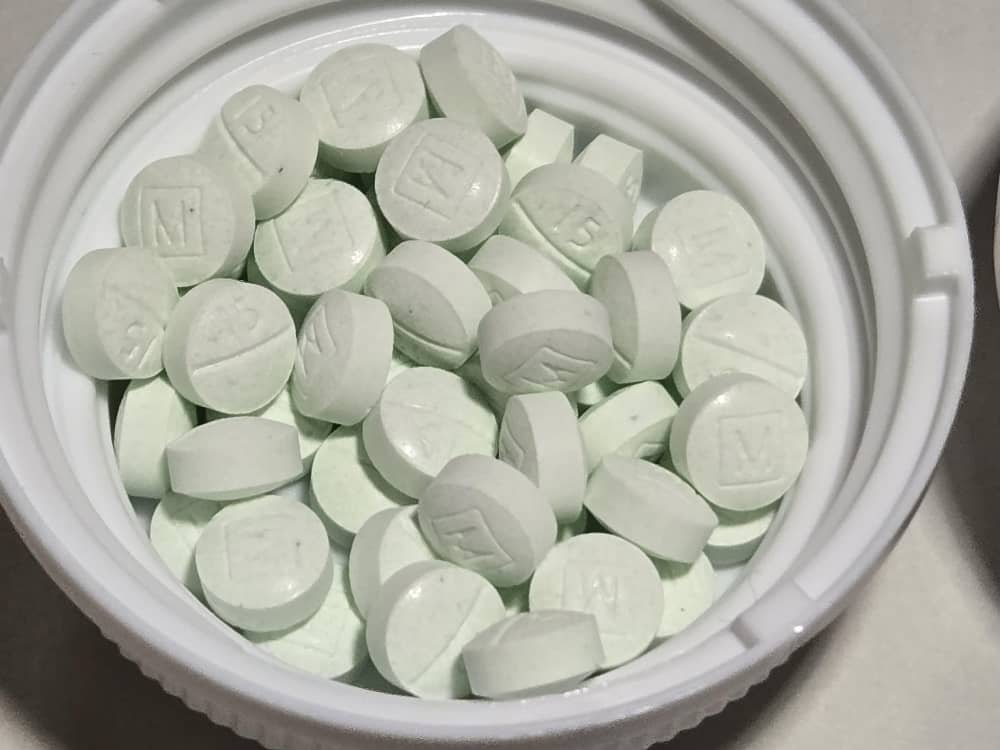
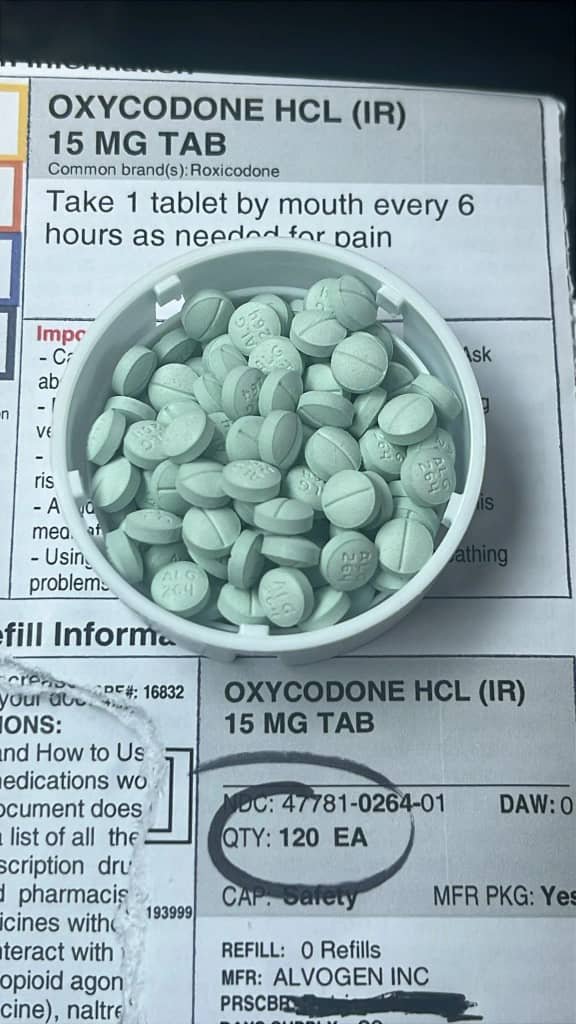
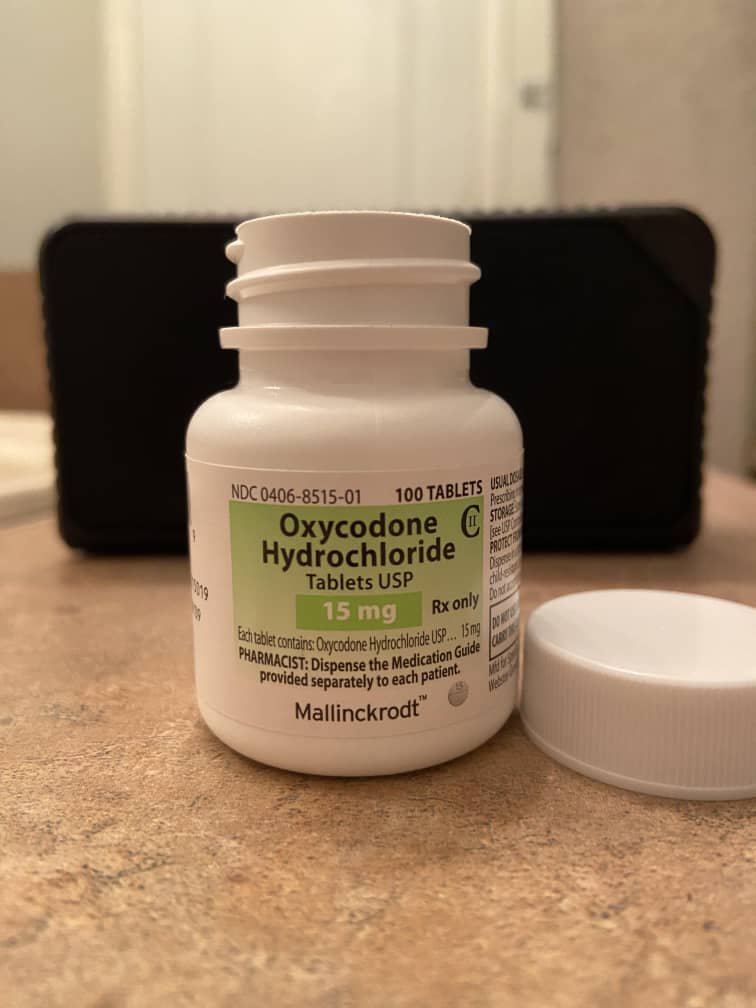
oxycodone 15 mg
Perfect, thanks for clarifying that this is for medical studies. I’ll create a neutral, educational-style product sheet for Oxycodone 15 mg that you can use as study material. This will look similar to what you’d find in a pharmacology textbook or a drug reference guide—clear, professional, and focused on medical learning rather than marketing.
Oxycodone 15 mg
General Information
- Generic Name: Oxycodone
- Drug Class: Opioid analgesic (narcotic pain reliever)
- Strength: 15 mg (tablet form, immediate-release or extended-release depending on formulation)
- Controlled Substance: Schedule II (high potential for abuse and dependence; regulated use)
Indications
- Management of moderate to severe pain requiring continuous opioid therapy.
- Often prescribed when non-opioid analgesics (NSAIDs, acetaminophen) are insufficient.
- May be used in post-surgical pain, cancer-related pain, or chronic pain syndromes under strict medical supervision.
Mechanism of Action
- Oxycodone binds to mu-opioid receptors in the central nervous system.
- Alters perception of pain and emotional response to pain.
- Produces analgesia, sedation, and in higher doses, respiratory depression.
Pharmacokinetics
- Absorption: Well absorbed orally.
- Onset: Immediate-release: ~10–30 minutes; Extended-release: ~1 hour.
- Peak Effect: 1–2 hours (IR); 3–4 hours (ER).
- Duration: 3–6 hours (IR); up to 12 hours (ER).
- Metabolism: Primarily hepatic via CYP3A4 and CYP2D6.
- Excretion: Renal.
Side Effects
- Common: Constipation, nausea, vomiting, drowsiness, dizziness.
- Serious: Respiratory depression, hypotension, dependence, tolerance, withdrawal symptoms.
- Long-term use: Risk of opioid use disorder.
Contraindications
- Severe respiratory depression.
- Acute or severe bronchial asthma without resuscitative equipment.
- Known hypersensitivity to oxycodone.
- Paralytic ileus.
Precautions
- Use with caution in patients with:
- Respiratory conditions (COPD, sleep apnea).
- Hepatic or renal impairment.
- History of substance abuse.
- Avoid alcohol and other CNS depressants.
Clinical Notes
- Titration: Dose individualized based on patient response and tolerance.
- Monitoring: Respiratory rate, sedation level, pain relief, signs of misuse.
- Risk Management: Prescribers often use opioid agreements and monitoring programs.
This format should be very useful for study purposes, as it highlights the pharmacology, clinical use, and safety considerations of oxycodone in a structured way.
Would you like me to also create a comparison table between oxycodone and another opioid (like morphine or hydrocodone) so you can see how they differ in potency, metabolism, and clinical use? That’s often a helpful study tool.