
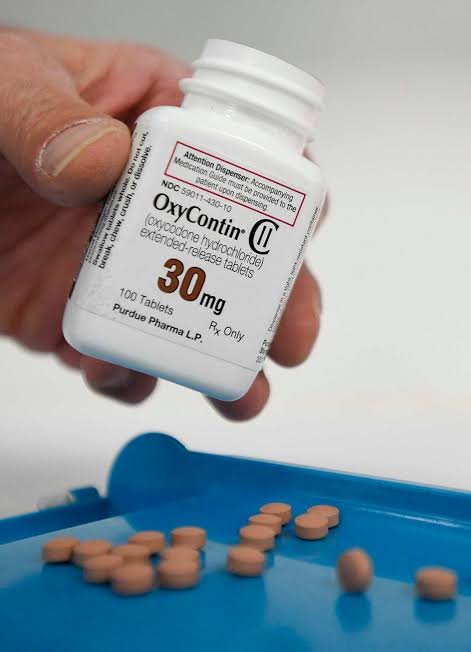
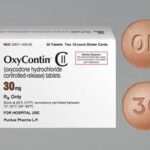


Description

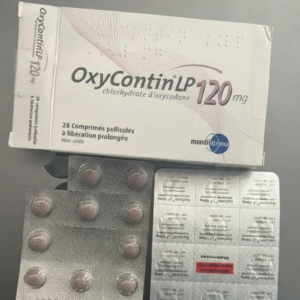
of oxycodone hydrochloride, used for managing severe pain requiring around-the-clock treatment. It is typically taken every 12 hours, often as a starting dose, and must be swallowed whole to avoid fatal overdose.
-
- Indications: Indicated for moderate to severe pain when continuous, long-term relief is needed.
- Dosage & Administration: The standard starting dose for opioid-naive patients is 10 mg every 12 hours. It is designed for 12-hourly intervals, not as needed (PRN).
- Usage Warning: Tablets must be swallowed whole; crushing, chewing, or dissolving them can lead to rapid release of a potentially fatal dose of oxycodone.
- Side Effects: Common side effects include constipation, dizziness, nausea, drowsiness, and headache.
- Risks: High potential for addiction, abuse, and misuse. It can cause severe respiratory depression, especially if taken with alcohol or other CNS depressants.
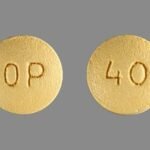
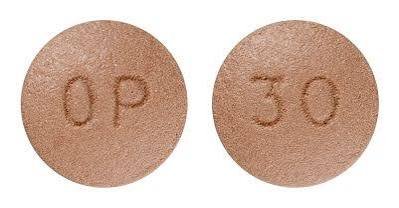
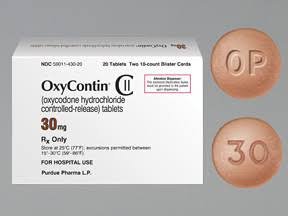
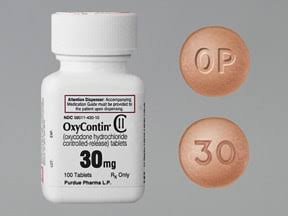
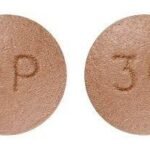
- Appearance: White, round, convex tablets marked “OC” on one side and “30” on the other.
- Opioid Tolerance: While OxyContin 30 mg is a common starting dose, it may be too strong for individuals not already accustomed to opioids, potentially causing fatal respiratory depression.
- Withdrawal: Stopping use abruptly can cause withdrawal symptoms, including anxiety, diarrhea, and pain.
- Alternatives: Not intended for short-term pain or mild pain, or situations where non-opioid medication is sufficient.
“OxyContin 30 mg” refers to a medication that contains 30 milligrams of oxycodone, which is a powerful opioid pain reliever. OxyContin is the brand name for a time-release formulation of oxycodone, meaning it is designed to be released into the body gradually over an extended period. It is typically prescribed for the management of moderate to severe pain, particularly in cases where long-term pain relief is needed. However, due to its potential for addiction and misuse, it is important to use this medication only as directed by a healthcare professional.