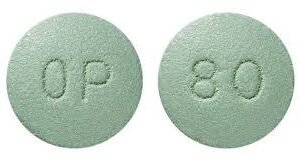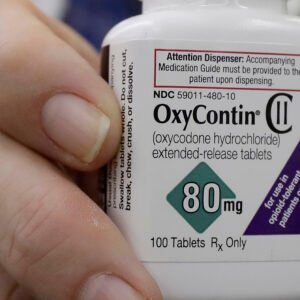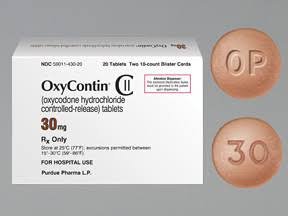
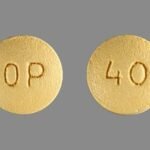


Description
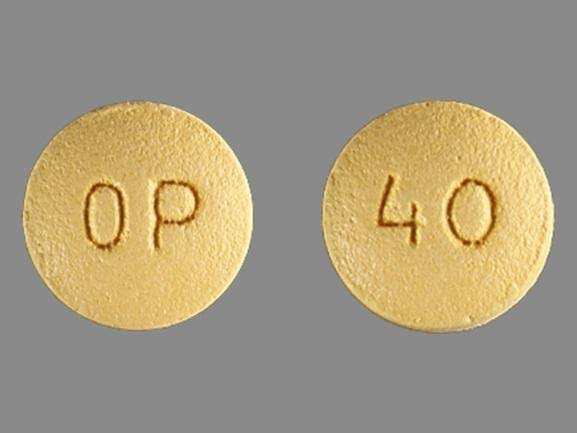
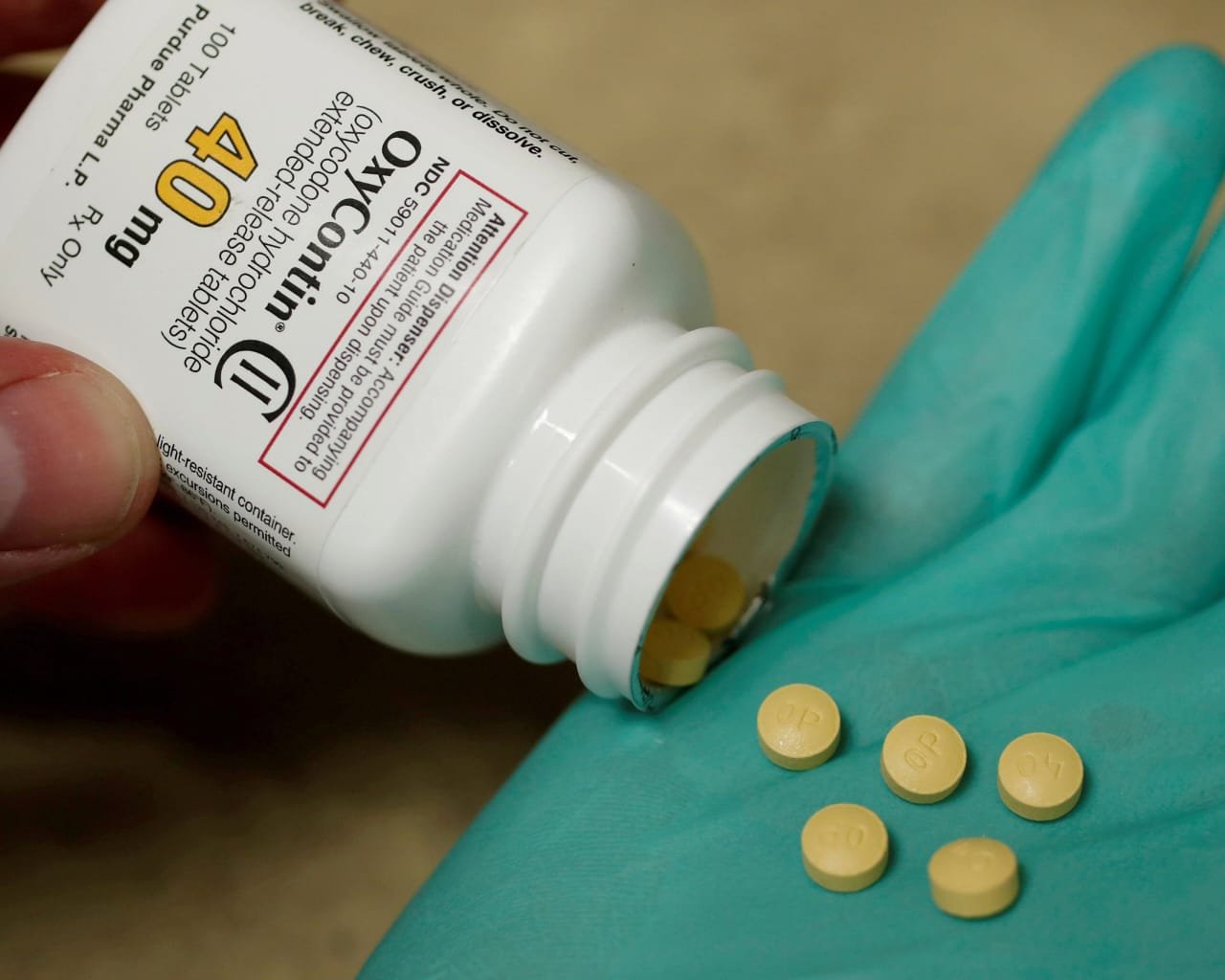
OxyContin 40 mg is a high-strength, controlled-release formulation of oxycodone hydrochloride, a powerful opioid analgesic used to manage severe, persistent pain requiring around-the-clock treatment. Taken every 12 hours, it acts by altering the body’s response to pain, often for chronic conditions. It carries a high risk of addiction, abuse, and fatal respiratory depression.
Key Information Regarding OxyContin:
- Indications: OxyContin is used for managing severe pain that requires around-the-clock opioid treatment for an extended period, and for which alternative treatment options are inadequate.
- Administration: This medication must be swallowed whole. It is crucial not to break, chew, crush, or dissolve tablets, as this can lead to the rapid release of oxycodone, potentially resulting in an overdose and death.
- Schedule: This medication is typically administered on a scheduled basis.
- Precautions:
- Addiction/Dependence: Physical dependence may occur with opioid therapy, and withdrawal symptoms can result if the medication is stopped suddenly.
- Risk: OxyContin is a Schedule II controlled substance with a high potential for abuse and addiction.
- Side Effects: Potential severe side effects include drowsiness, dizziness, nausea, vomiting, constipation, and respiratory depression.
- Contraindications: OxyContin is not indicated for patients who are not already opioid tolerant.
OxyContin is an opioid agonist and a Schedule II controlled substance with an abuse
liability similar to morphine.
Oxycodone can be abused in a manner similar to other opioid agonists, legal or illicit. This
should be considered when prescribing or dispensing OxyContin in situations where the
physician or pharmacist is concerned about an increased risk of misuse, abuse, or diversion.
OxyContin Tablets are a controlled-release oral formulation of oxycodone
hydrochloride indicated for the management of moderate to severe pain when a
continuous, around-the-clock analgesic is needed for an extended period of time.