Description
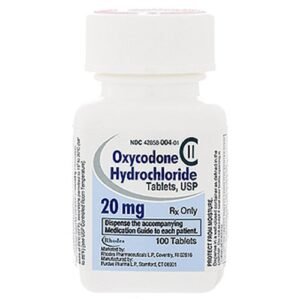
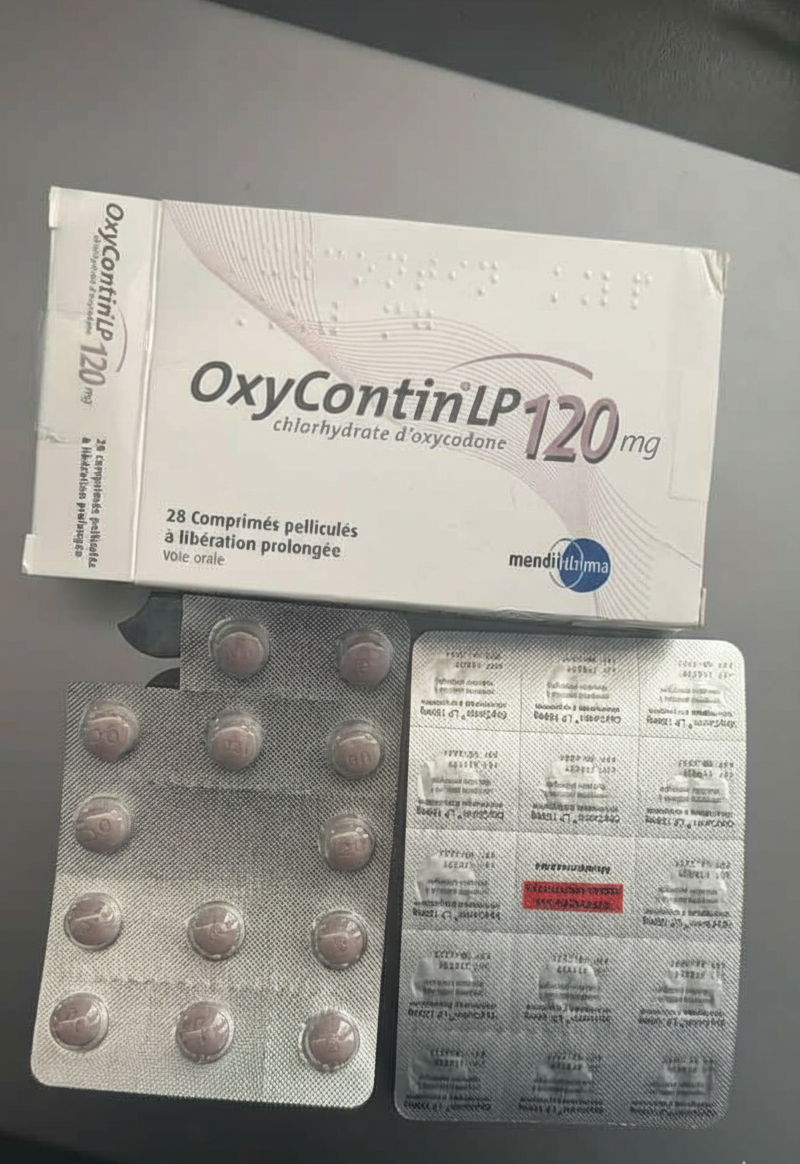
OxyContin 120 mg is a high-dose, prolonged-release formulation of oxycodone hydrochloride, a strong opioid analgesic. Due to its high potency, this specific strength is reserved for opioid-tolerant patients who require continuous, long-term management of severe pain, such as cancer pain, when other treatments are inadequate.
Key Medication Facts
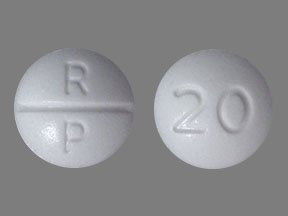
- Appearance: Round, purple film-coated tablets, approximately 10 mm in diameter, marked with “OC” on one side and “120” on the other.
- Administration: Must be swallowed whole. Do not crush, chew, or break, as this destroys the slow-release mechanism and can lead to a fatal overdose.
- Administration Frequency: The frequency of administration is typically determined by a healthcare provider.
- Use in Opioid-Naive Patients: This strength is not suitable for individuals who are not already opioid-tolerant.
Warnings and Side Effects
- Severe Risks: The most critical side effect is respiratory depression (dangerously slow or weak breathing), which can be fatal.
- Common Side Effects: Drowsiness, dizziness, headache, constipation, nausea, vomiting, and itching.
- Dependence and Addiction: Long-term use can lead to physical dependence and addiction. Suddenly stopping the medication can cause withdrawal symptoms.
- Contraindications: Should not be used by individuals with severe asthma, severe COPD, respiratory depression, or paralytic ileus.
Safety Precautions
- Drug Interactions: Combining OxyContin with alcohol, benzodiazepines, or other sedatives significantly increases the risk of fatal overdose.
- Monitoring: Patients should be monitored for sleep-related breathing disorders, such as sleep apnea, and signs of hormonal changes or hyperalgesia (increased sensitivity to pain).
- Storage: Keep in a secure, locked location away from children. Accidental ingestion by a child can be fatal.