








Description
Ecstasy refers to both an intense feeling of overwhelming joy or spiritual rapture and a popular street name for the illicit drug MDMA (3,4-Methylenedioxymethamphetamine), a stimulant and empathogen known for causing euphoria, increased empathy, and altered sensations, but carries risks like long-term personality changes, depression, and potential nerve damage.
As a Feeling (Emotional/Spiritual Ecstasy):
-
Definition:A state of profound, transcendent happiness, bliss, or trance-like awareness.
-
Examples:Religious ecstasy, deep connection with nature, intense musical experiences, or peak moments of love.
As a Drug (MDMA):
-
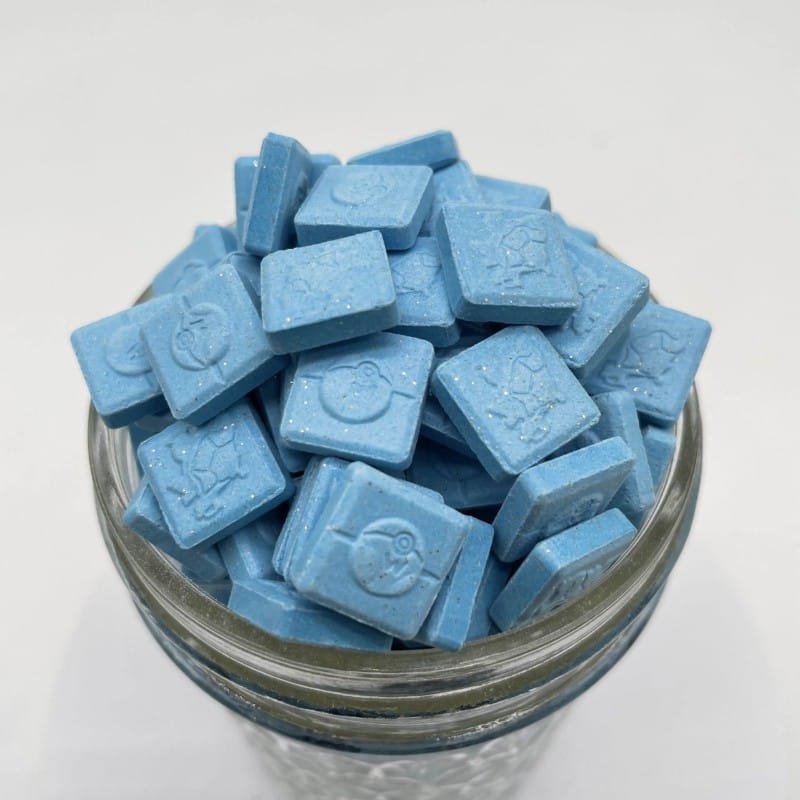
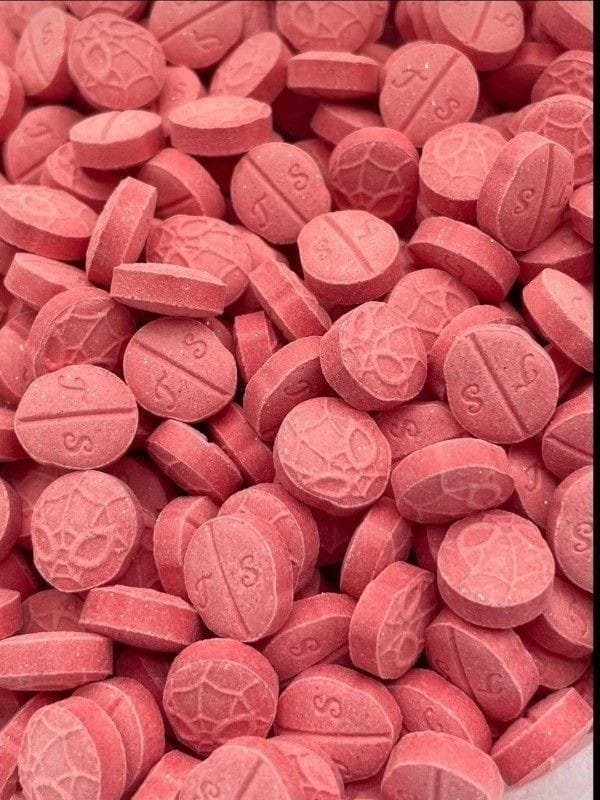
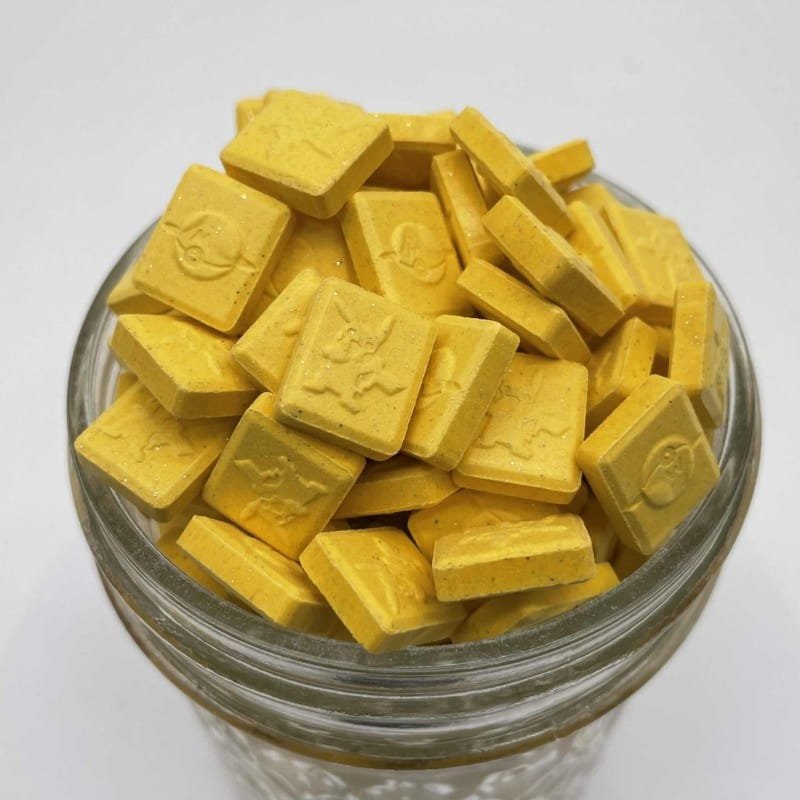
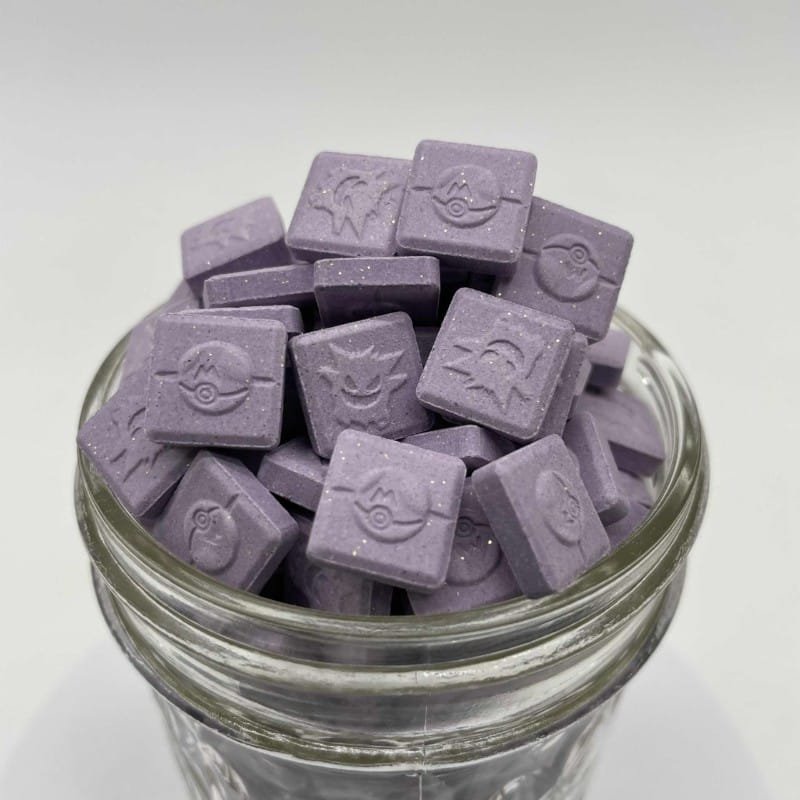
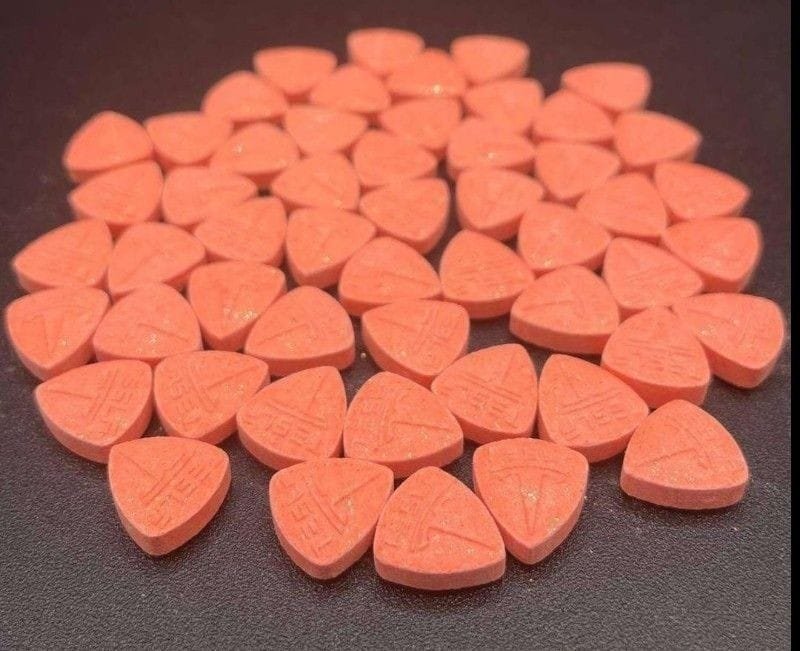
What it is:A synthetic drug (MDMA) often sold as tablets (ecstasy) or powder (Molly).
-
Effects:Increases serotonin, dopamine, and norepinephrine, leading to euphoria, heightened senses, empathy, and energy.
-
Risks:Dehydration, overheating (hyperthermia), anxiety, paranoia, long-lasting depression, memory problems, and potential damage to serotonin neurons, notes Wikipedia.
-
History:First synthesized in 1912, used in therapy in the 1970s, and became a popular recreational drug in the 1980s.
In essence, “ecstasy” can describe a desirable mental state or the potent drug that users seek to induce a similar, though artificial, feeling, with potentially severe consequences.