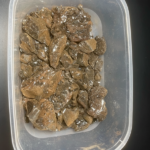
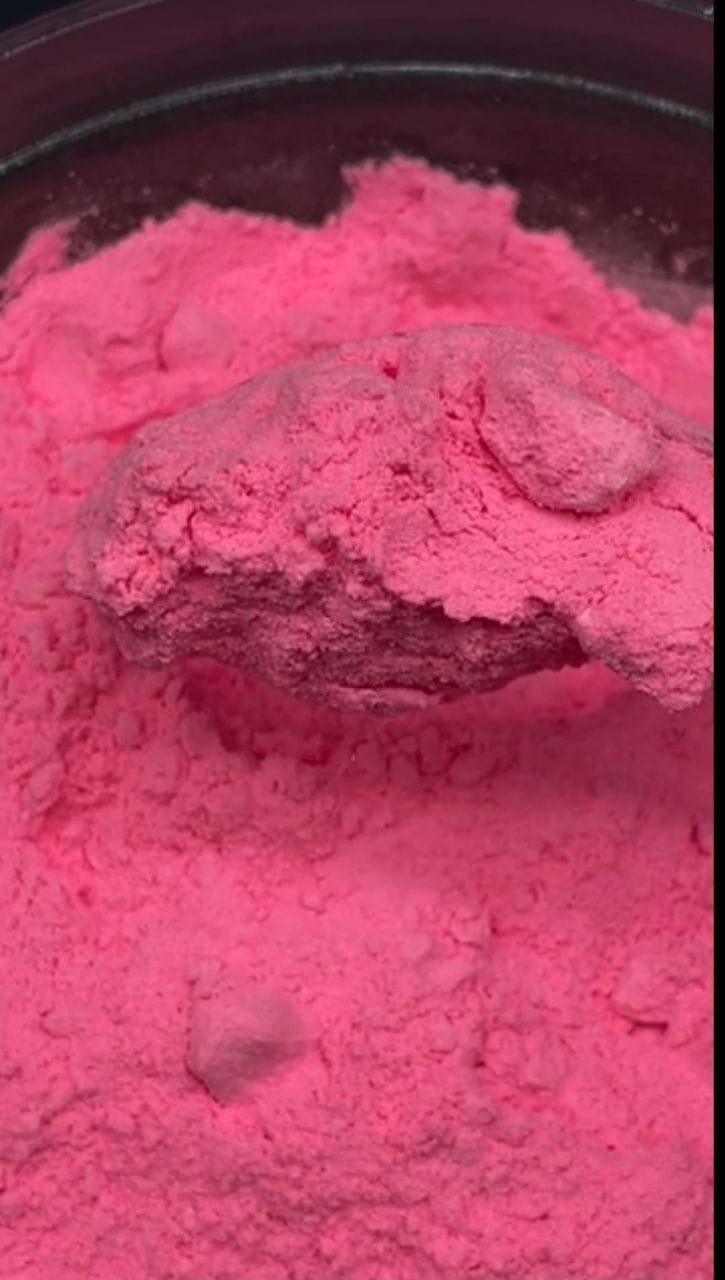
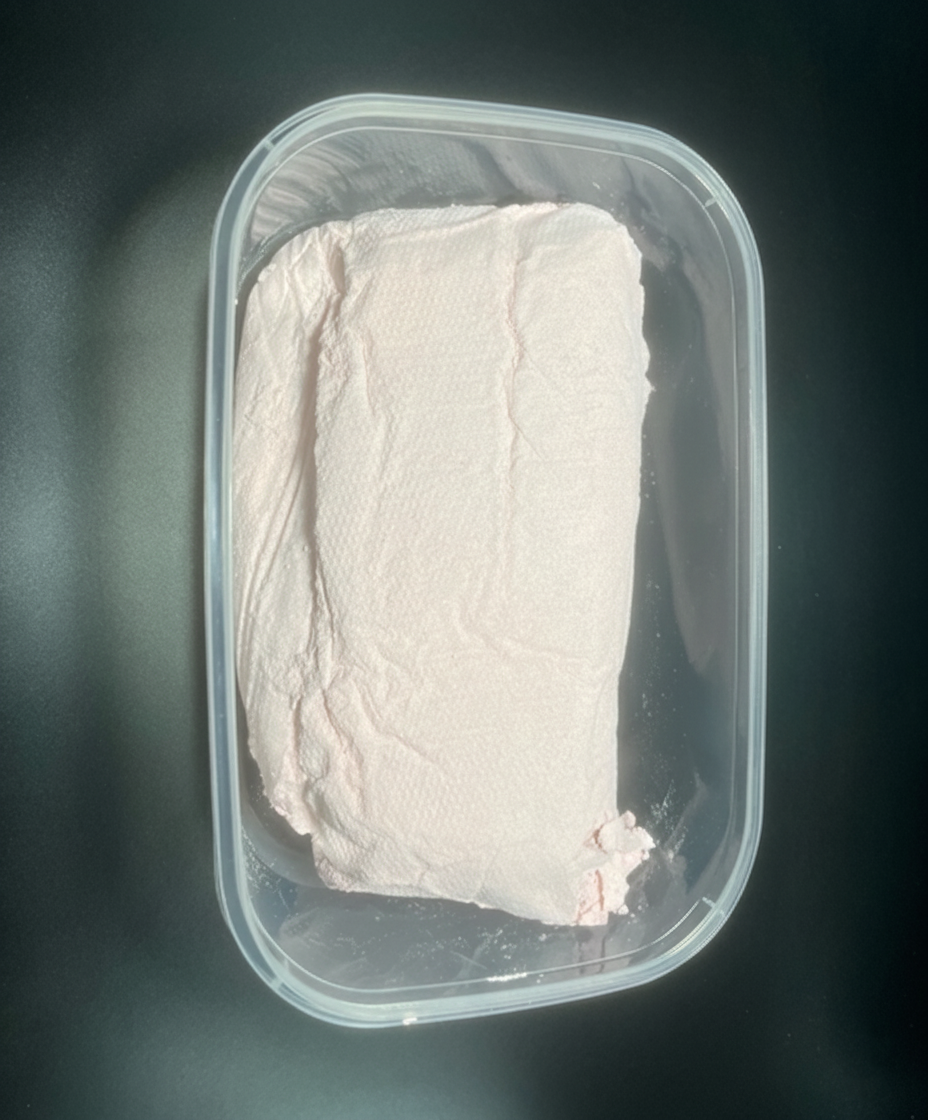


Description
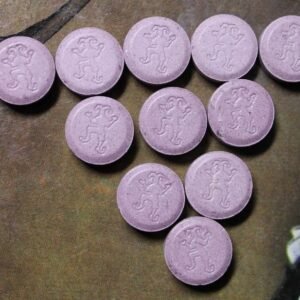
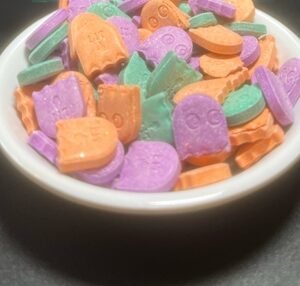
“Tucci,” or “tusi,” is a dangerous, largely illegal cocktail known as “pink cocaine,” though it often contains no cocaine. It is a pink-dyed powder mixture of various psychoactive substances, commonly including ketamine, MDMA, and other stimulants or hallucinogens. It is a recreational drug often linked to severe, unpredictable, and dangerous physical and psychological side effects due to its inconsistent, unregulated, and unpredictable ingredients
What is pink cocaine?
“Pink cocaine,” also known by street names such as “cocaina rosada,” “tuci,” “tucibi,” “pink powder,” “Eros,” and “Venus,” is a synthetic designer drug that has gained popularity in the party scene, particularly in Latin America and some. It is a mixture of various synthetic substances, most commonly including MDMA (ecstasy), ketamine, and amphetamines. Other possible ingredients can be LSD, mescaline, and sometimes opioids like fentanyl.
The chemical composition of pink cocaine is highly variable and often unregulated, leading to significant risks for users. It can be a combination of different psychoactive substances, which results in unpredictable effects. The drug may be misrepresented, with users believing it to contain specific substances like 2C-B, when in reality, it often lacks this component. The variability in its composition makes each batch potentially dangerous, with the possibility of severe health effects including addiction, overdose, and fatal interactions.
Differentiation from traditional cocaine
Chemically, traditional cocaine is a naturally occurring alkaloid, while pink cocaine is a designer drug involving phenylethylamine derivatives. This difference in chemical structure means pink cocaine also has hallucinogenic properties, unlike the purely stimulant effects of traditional cocaine. Users of pink cocaine report both euphoric and psychedelic experiences, including altered sensory perception and mood swings.
When compared to other stimulants like methamphetamine or synthetic drugs like ecstasy (MDMA), pink cocaine offers a unique combination of stimulant and hallucinogenic effects. Methamphetamine, like traditional cocaine, significantly increases dopamine but does not cause hallucinations. Ecstasy, on the other hand, enhances mood and perception, similar to pink cocaine, but lacks the intense stimulant properties.
Origins
The drug is believed to have originated in Colombia, where it became popular in the club scenes of major cities. Its spread has been eased by its appeal as a novel party drug that combines the effects of multiple substances, offering a unique and intense high.
The drug’s popularity surged during the COVID-19 pandemic, as lockdowns and social isolation drove increased drug use.
Reasons behind popularity
In nightlife and rave scenes, there’s a constant demand for new and exciting substances. Pink cocaine fits this demand by offering a fresh experience and is often more accessible and affordable compared to buying multiple individual drugs.
Psychological effects
The psychological effects of pink cocaine are profound and varied due to its combination of stimulant and hallucinogenic properties. Short-term psychological effects include:
- Euphoria
- Increased alertness
- Enhanced sensory perception